
The operator playbook
How to run a community space
A rhythm, a room, a few regulars, and light tooling. That is the whole job. Not charisma, not a big budget. Here is the playbook for running one that keeps happening.
Running a community space takes four plain things: a standing rhythm, a room you can reliably get, a few regulars who come back, and light tooling so the admin does not all fall on you.
Notice what is not on that list. No magnetic personality, no lease, no launch event. The rooms that last are held together by consistency and a simple format, and both of those are things you can set up on purpose. The rest of this page is the playbook, step by step.
A community space is not run on charisma. It is run on a rhythm that never moves.
Why do community spaces fizzle out?
Because they lean on one person's energy instead of a structure anyone can keep. Spaces die from inconsistency and burnout, not from a quiet night.
When the whole thing rides on the host being on every week, it ends the first time they are tired, traveling, or having a hard month. Fix the time so it never moves, keep the format simple enough to repeat, and share the roles before you run out. Build those rails first and the room can outlast your worst week.
What actually holds it
A few regulars beat a big crowd.
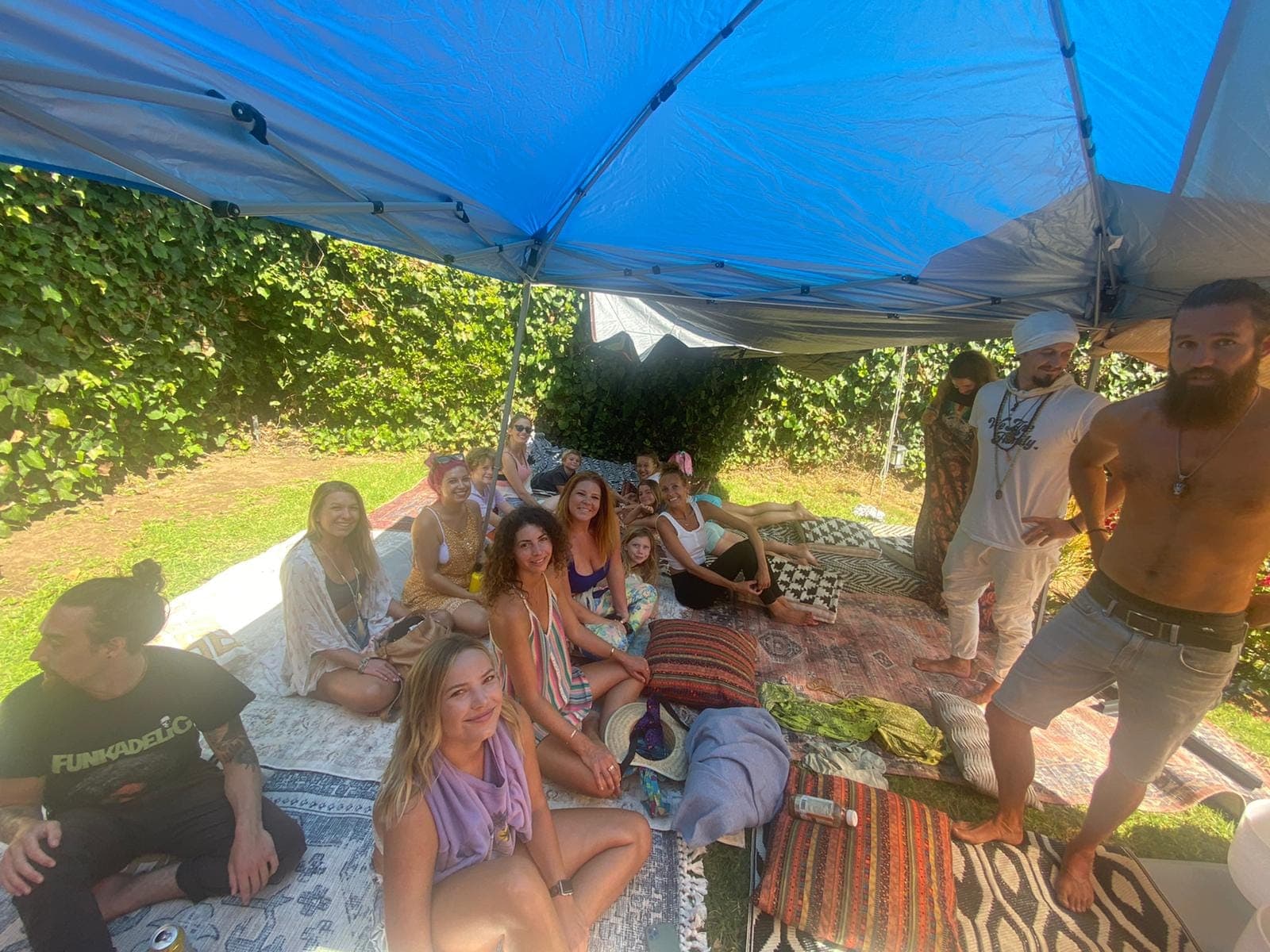
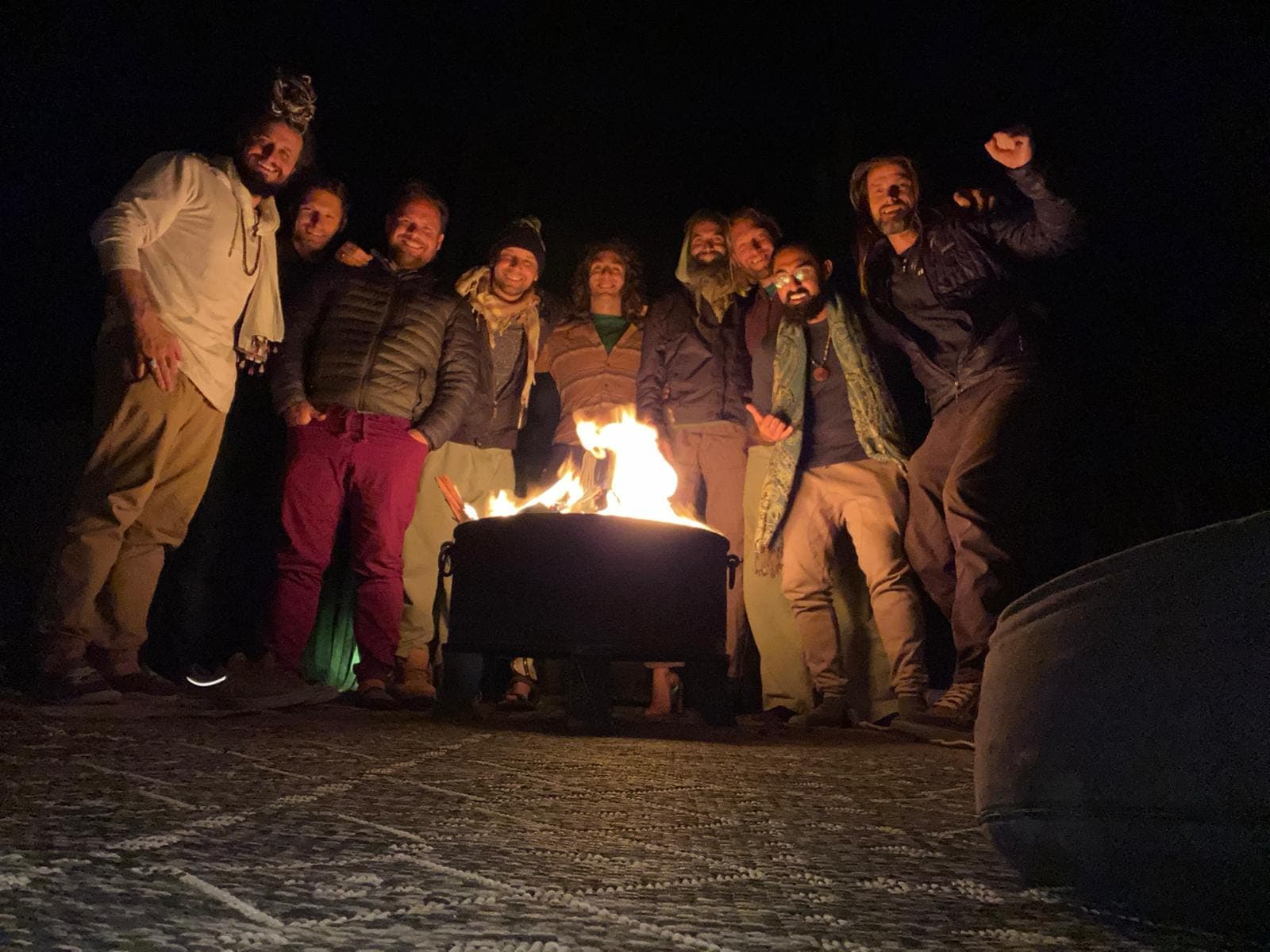
The spine of a community space is not the turnout on the good night. It is the three or four people who come back whether it is raining or not. Learn their names, notice when they miss, and treat them like the co-owners they are becoming.
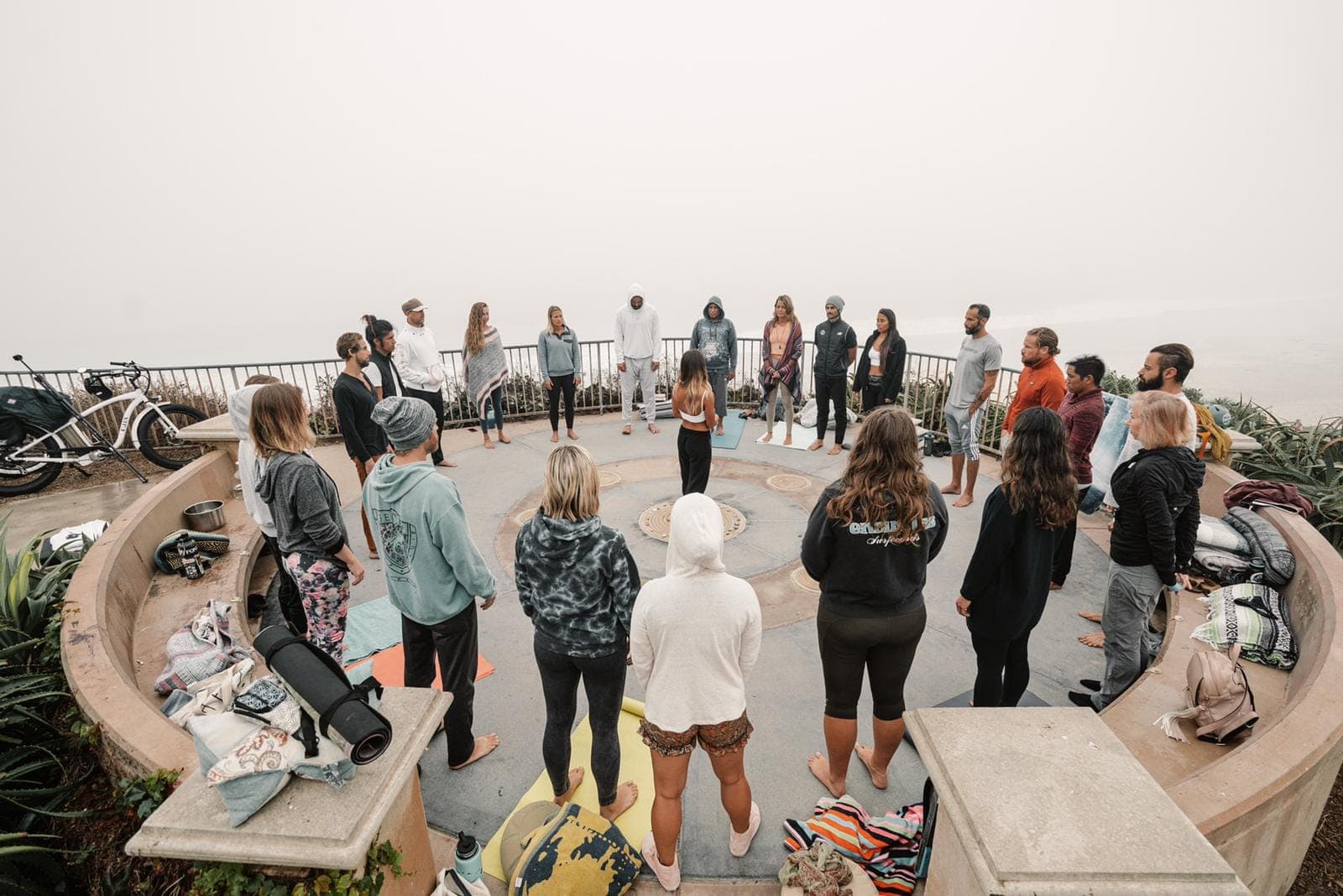
Once you have that core, hand out roles. Someone brings the coffee, someone opens up, someone welcomes the newcomers. A room one person runs is fragile. A room a small group holds is hard to kill.
What are the steps to run a community space?
Set a rhythm, lock a room, grow a core, hand out roles, keep the format light, and let tooling carry the admin. Six plain steps:
Set one standing rhythm
Pick a day and time and repeat it without asking. The same Tuesday, weekly or every other week. A community space lives or dies on whether the rhythm holds, because people can only build a habit around a time that does not move.
Lock a room you can actually get
Find one spot you can reliably use on that rhythm: a park, a hall, a back corner, a living room. It does not need to be yours or impressive. It needs to be the same place enough weeks in a row that people stop asking where.
Grow a core of regulars
Aim for a handful who come back, not a crowd who came once. Three or four reliable regulars are the spine of a community space. Learn their names, notice when they miss, and let the room grow from the people who keep returning.
Hand out real roles
The moment you have a core, share the load. Someone brings the coffee, someone opens up, someone messages newcomers. A space that rides on one person ends the first hard month. Roles turn a room you run into a room a group holds.
Keep the format light and repeatable
Open the same way, do the thing, close the same way. A simple, repeatable shape lets people relax into the room instead of guessing what happens next, and it means you are not reinventing the night every time you show up.
Use light tooling so it does not ride on you
Put the rhythm somewhere people can find it, send the reminder every time, and keep a simple record of who comes. A little tooling carries the admin that otherwise eats the host, so your energy goes to the room, not the logistics.
You do not have to run it alone. You have to build the rails once.
How Frequency helps
Light tooling, so the room outlasts you.
Run your community as a Space and the admin stops living in your head. You get a front door in Discover so new people find the rhythm, the format for Circles and Runs so a group lasts, Dispatch to send the reminder every time, and a path from Member to Crew to Host so your regulars can step up.
You keep your voice and your room. Frequency carries the logistics that usually eat the host, so your energy goes into the people in front of you instead of the spreadsheet behind them.
Where to start
The fastest way to run a community space is to claim a Space: set your rhythm, host your first small room, and let the format carry the rest. If you want to see what a purpose-built community space looks like with the doors on, tour The Lab. Both are the same idea at different sizes.
Common questions
What does it take to run a community space?
How do I keep a community space from fizzling out?
How many people do I need to run a community space?
Do I need to own a building to run a community space?
What tools do I need to run a community space?
How much time does running a community space take?
Run the room your neighborhood keeps wishing for.
Frequency hands you the front door, the format, and the tooling to hold a rhythm without carrying it alone. Join the Beta and run your Space.
Start a Circle