
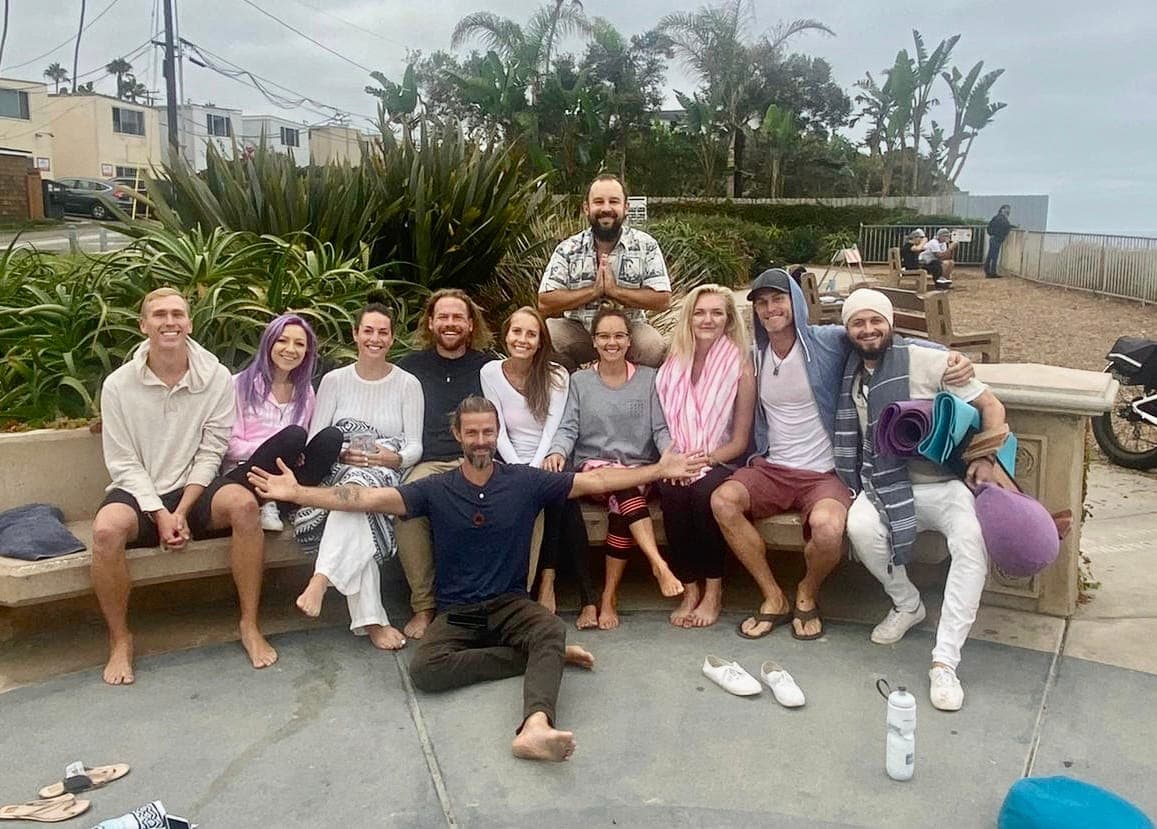
Looking for your people
How to find like-minded people
You are surrounded by perfectly nice people and still feel a little out of step. You are not after more contacts. You are after the few who get it. Here is how to find them.
To find like-minded people, lead with the thing you actually care about and go where it is done in person, on a schedule. Do not look for friends in the abstract. Let the shared thing do the sorting.
The instinct is to look for people first and hope something clicks. The thing that actually works is the other way around: pick one interest, value, or practice, find a small group built around it that meets again, and show up. Everyone in the room already chose the same thing, so you start halfway to your people instead of from zero.
You are not looking for more people. You are looking for your people.
What does like-minded actually mean?
Less about agreeing on everything, more about caring about the same things in the same way. It is the shared wavelength under the small talk.
You can disagree about plenty and still be deeply like-minded, because what you have in common is what you point your attention at: the same curiosity, the same values, the thing you would happily give up a Saturday for. That is why looking for people who simply agree with you is a dead end, and looking for people who care about the same thing is not. Shared attention, not shared opinions, is the glue.
What actually works
Lead with the thing, not the search.
The mistake is to go looking for like-minded people directly, as if they were the goal you walk in for. They are almost never found that way. They are found sideways, as the people who happen to be in the room you came to for the thing itself.
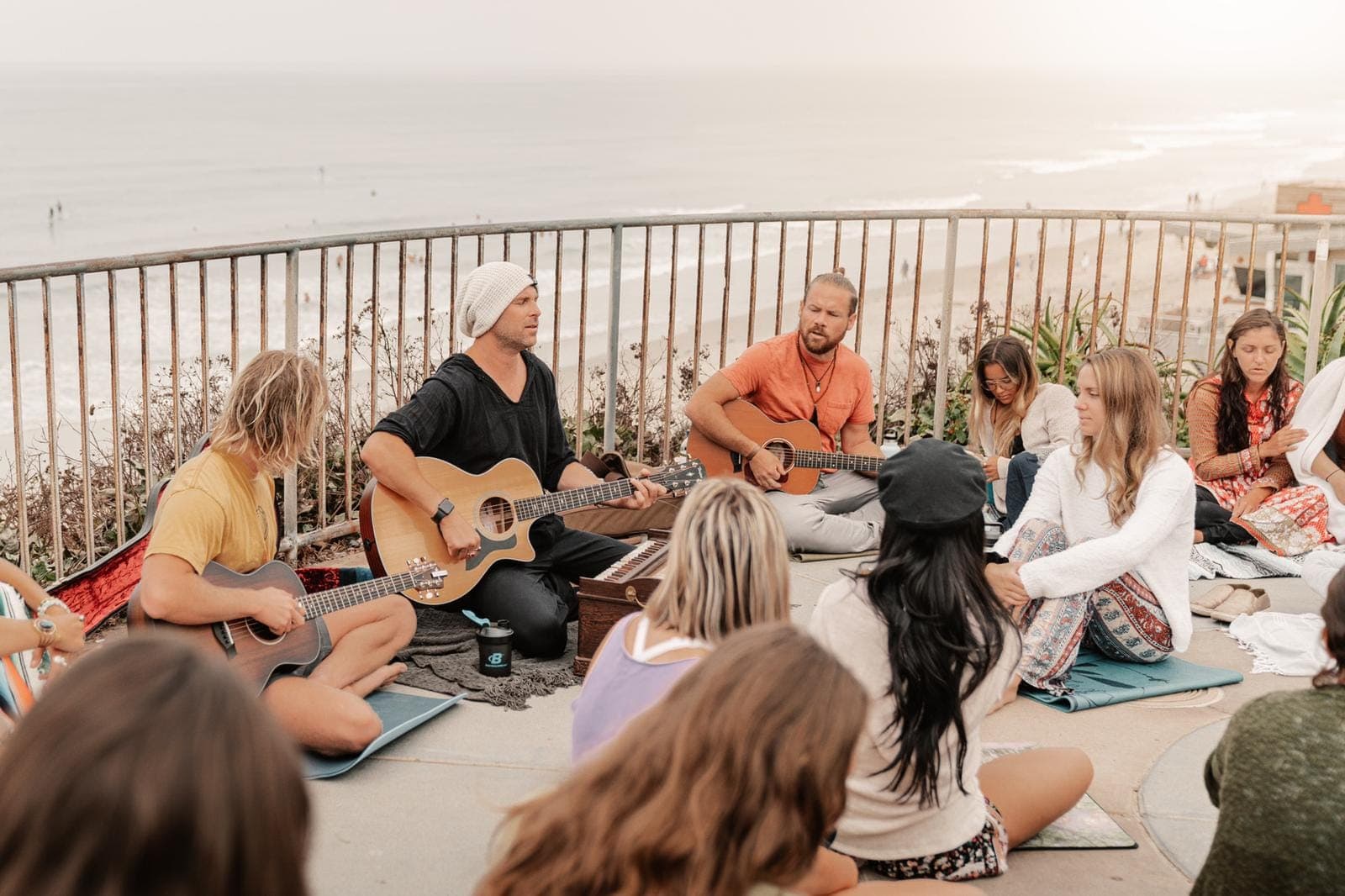
So pick the interest, the practice, the cause you genuinely care about, and go to where it actually happens in person. A room organized around a shared thing has already done the hard filtering. The people who keep showing up for it are, almost by definition, your kind of people.
Where do I actually go to find them?
Go where the thing you care about is practiced in person, on a repeating schedule, and become a regular there. Three plain steps:
Name the one thing first
Pick a single interest, value, or practice you care about, not a vague wish to meet people. The narrower and more honest it is, the sharper the room it leads you to.
Find where it meets in person, again
Look for a standing class, circle, or group built around that thing. A recurring in-person room beats an online forum, because it gives you the same faces twice.
Show up enough to be recognized
Like-mindedness reveals itself over repeats, not in one night. Go back until people know your name. The connection forms in the second and third visit, not the first.
Your people are not hiding. They are just in a room you have not been to twice.
Why does it feel like nobody gets me?
Usually because the rooms you are in were not chosen around what you care about most. Accidental rooms make even nice people feel slightly off-key.
When the people around you came together by work, proximity, or circumstance rather than by a shared thing, it is normal to feel a little out of step even with people you genuinely like. It is not a flaw in you or in them; it is just the wrong room for the part of you that wants company. That feeling tends to lift fast once you put yourself somewhere organized around the thing that lights you up, where being into it is the default instead of the odd one out.
Where this lands
A room already sorted by what you care about.
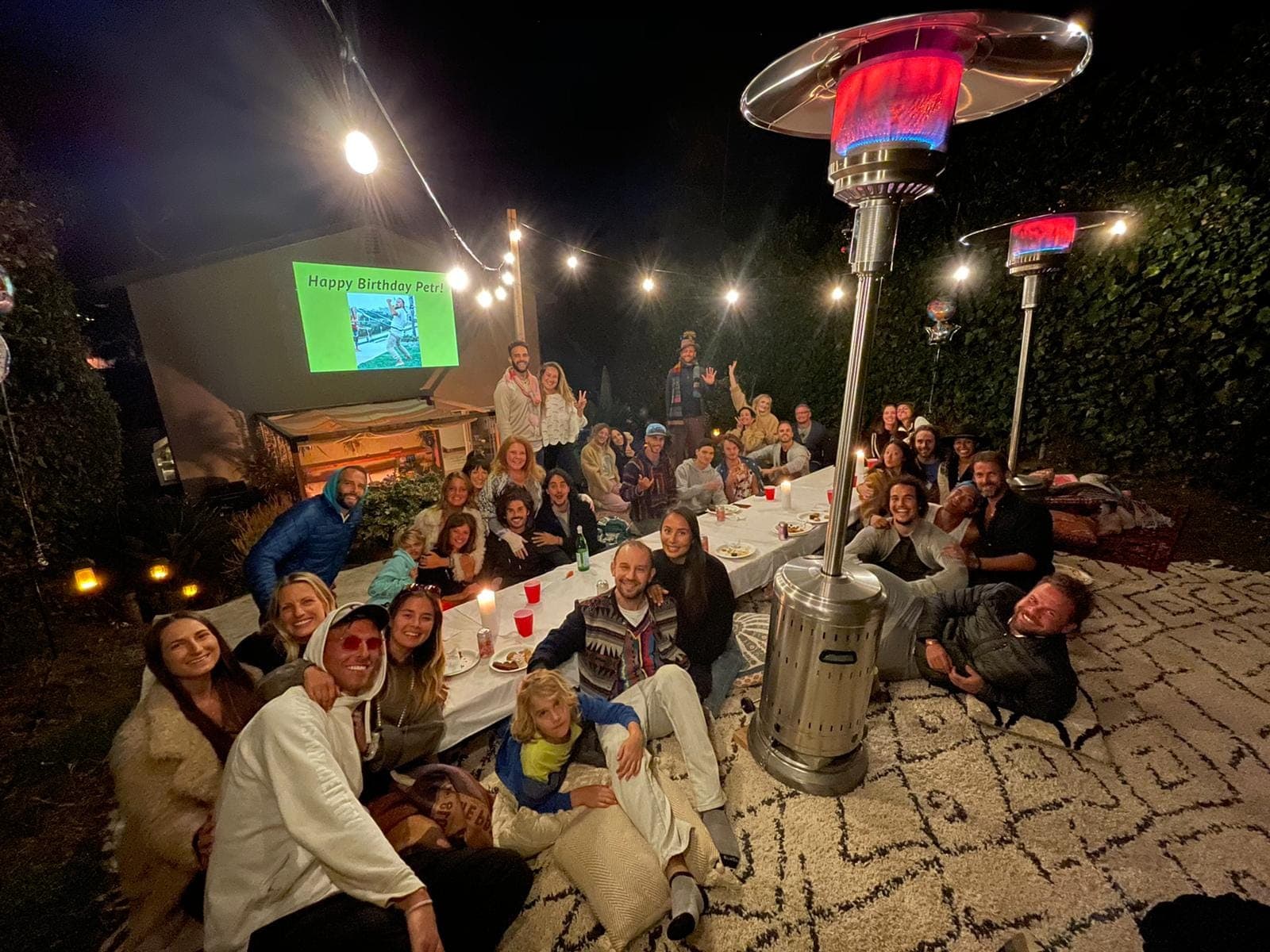
A Circle is a small local group built around one shared thing, which is exactly the sorting you want done for you. Everyone in it chose the same topic, so the people you keep meeting are already pointed the same way you are.
You pick the thing the Circle is about, find a few people near you who care about it too, and come back. We hand you the format and the rhythm, so a shared interest quietly turns into the few people who finally get it.
Where to start
Look at the Circles and events meeting near you, sorted by topic, and pick the one closest to what you actually care about. Go twice. If the thing you want does not exist near you yet, that is not a dead end, it is the cue to start the small room you wish you could walk into.
Common questions
How do I find like-minded people?
What does like-minded actually mean?
Where do I find people who share my interests?
How do I find my tribe or my people as an adult?
Why does it feel like nobody gets me?
Is it harder to find like-minded people in a small town?
Your people are out there, gathered around the thing you both care about.
Frequency sorts local rooms by topic, so the faces you keep seeing are already on your wavelength. Join the Beta and find your people.
Start a Circle