
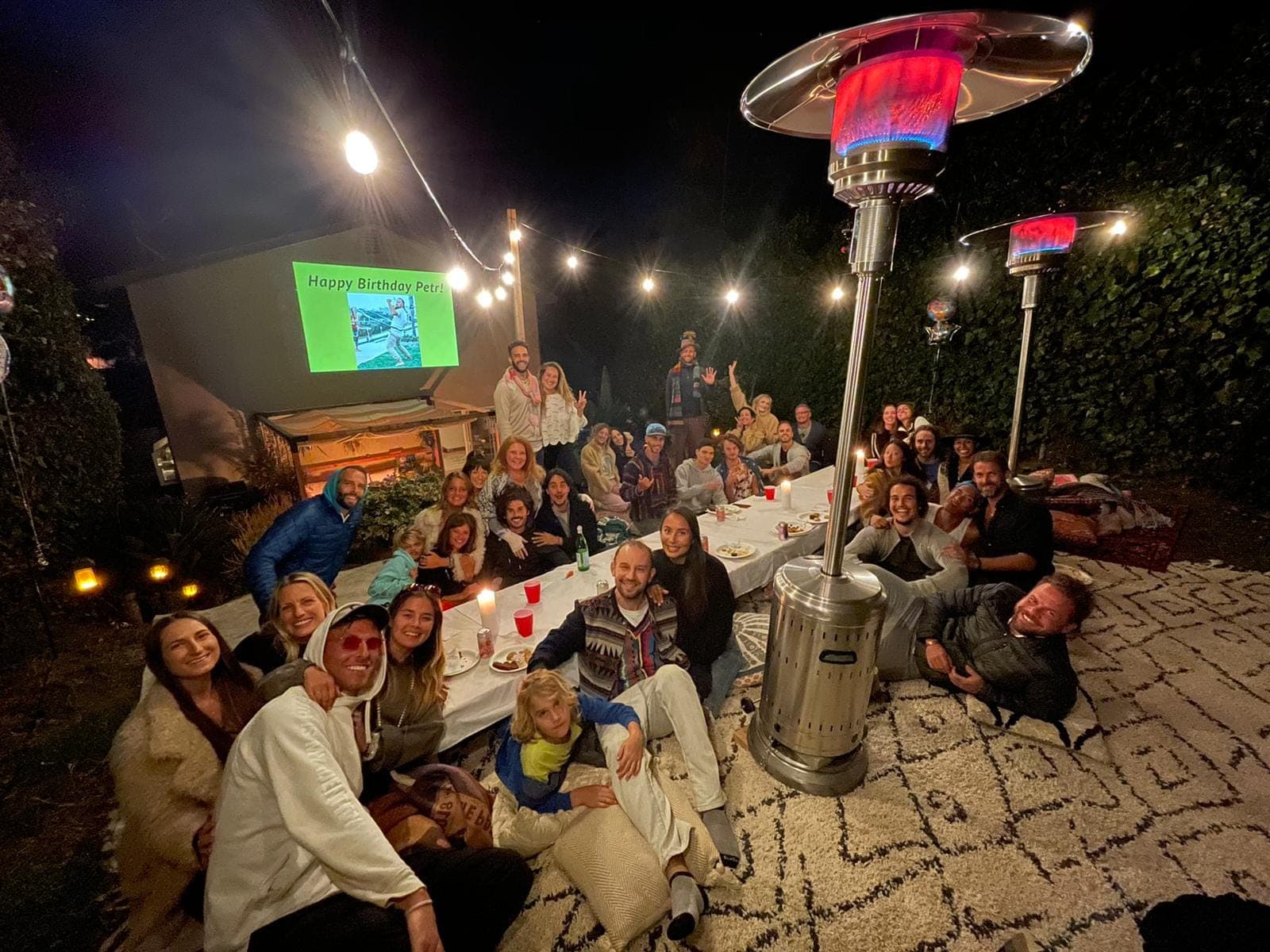
For the builder
What a third space is, and how to build one
Not home, not work: the third place is where the same faces keep showing up. They got rare. You can be the person who makes a new one. Here is what they are and how to start.
A third space is a place that is not home and not work where the same people keep running into each other: a cafe, a court, a regular table. The sociologist Ray Oldenburg named these the "third places," the anchors of a community sitting outside the house and the job.
That is the definition. The more useful part, if you are the one thinking about making one, is what it means in practice: a third place is built from repeated, low-pressure run-ins with the same faces. Not a grand opening. A standing time, a spot you can get, and a simple reason to come back. This page is for the person who wants to build one.
A third place is not a building. It is the same people, on a rhythm.
What counts as a third place?
The corner cafe, the barbershop, the library, the run club, the church hall, the park bench with the same dog-walkers. Any spot where you can show up alone and be known.
Oldenburg's test is simple: it is neutral ground, it is easy to get to, the same regulars turn up, and you can stay a while without buying your way in. Home is the first place, work is the second, and the third is everything in between where the informal life of a neighborhood actually happens. The building matters far less than the rhythm.
Why did third places get so rare?
Cost, cars, and screens squeezed them out. Rent pushed out the cheap spots that let people linger, sprawl put everything too far to walk to, and a phone started standing in for the hangout.
What thinned out was not really the buildings. It was the standing, low-pressure reasons to keep seeing the same faces. When lingering costs money and every errand is a drive, the casual run-in disappears, and with it the easy on-ramp to knowing your neighbors. The good news for a builder is that the missing piece is a rhythm, and a rhythm is something you can make.
The pivot
You do not wait for one. You make one.
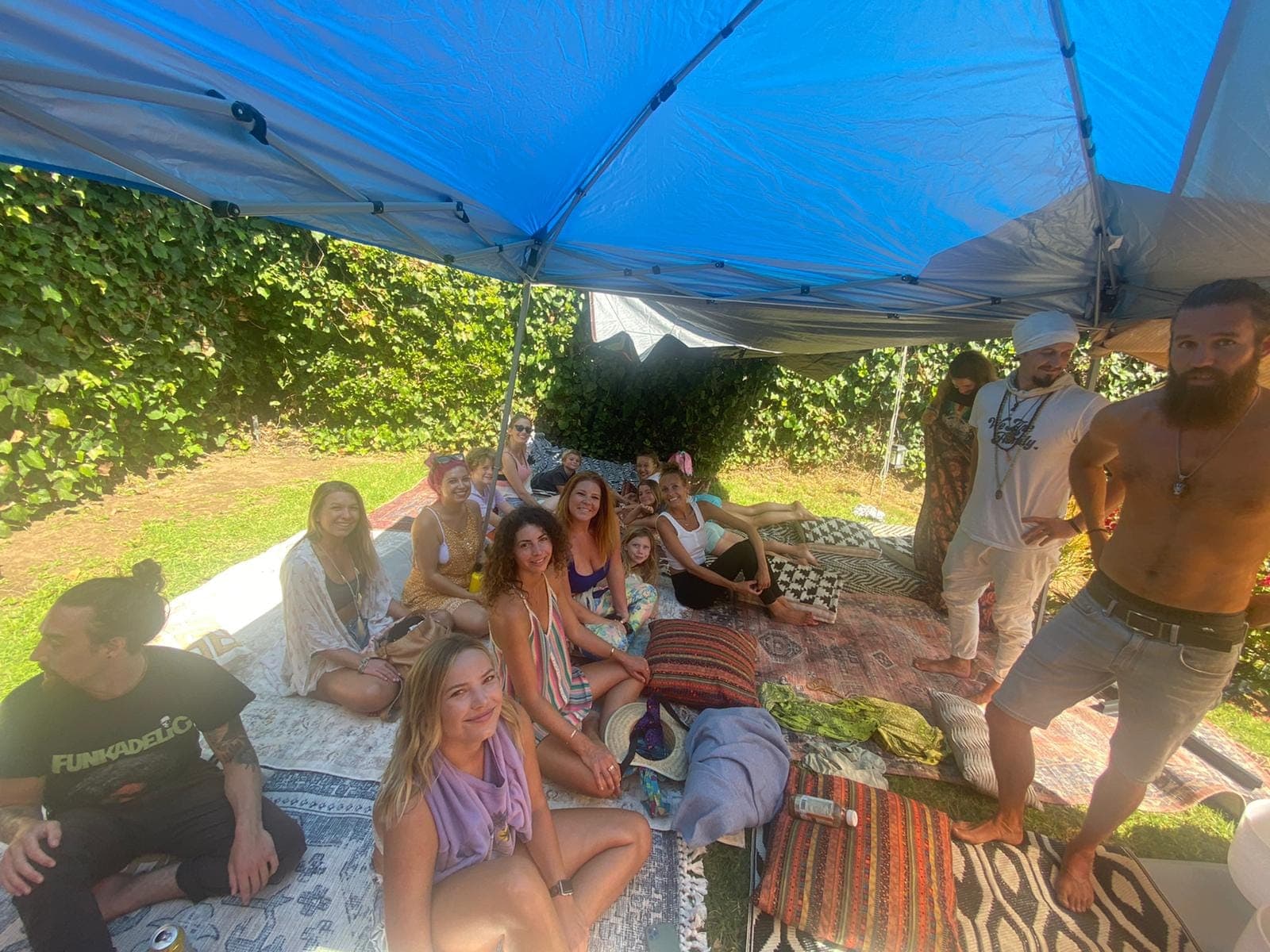
Here is the part most people miss: a third place is not found, it is held. Somebody picks a time, keeps a spot, and shows up enough weeks in a row that other people start planning around it. That somebody can be you, and it is a lot smaller than opening a venue.
Start with one thing to gather around, a room you can get every week, and a handful of people you would like to see again. Hold it. The first few times feel thin. Then a familiar face becomes a regular, and a regular becomes the reason someone else shows up.
The third places did not just vanish. They stopped being built.
How Frequency helps
A front door and a format.
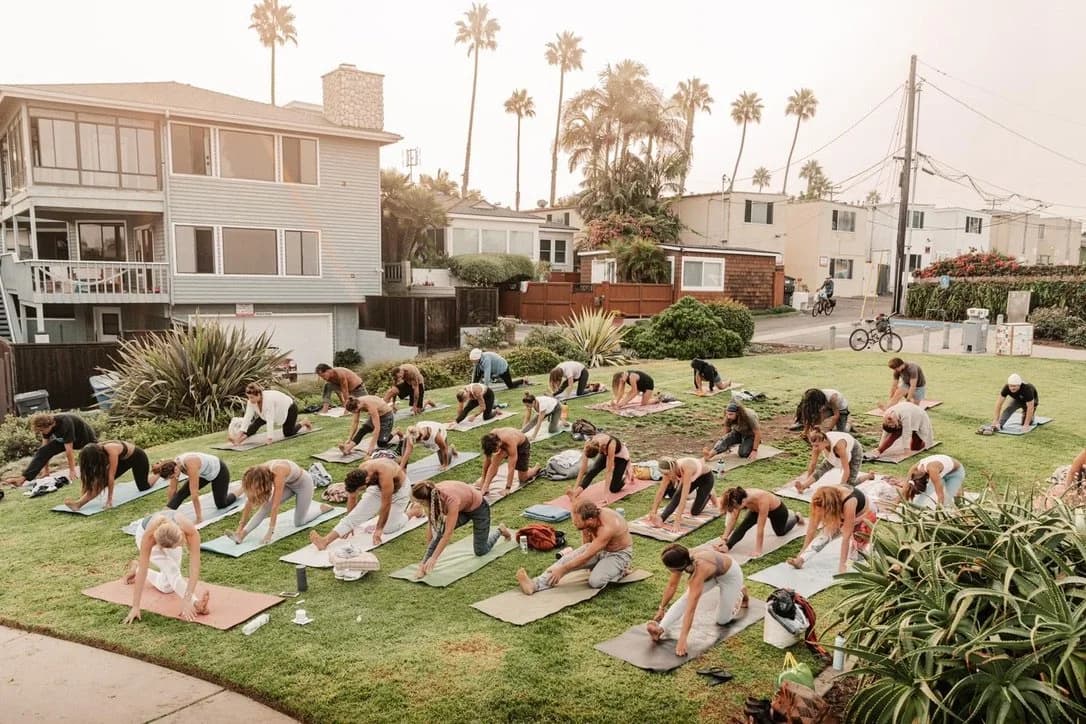
Frequency is the Labs toolkit for building a third space without owning one. You run your community as a Space: a front door in Discover so new people can find you, the format for Circles and Runs so a group lasts past week three, and a path so your regulars can step up and share the load.
You bring the one thing you gather around and the room you can get. We hand you the rails that keep the rhythm going after the first burst of energy fades, so a borrowed corner turns into a place people count on.
Where to start
If you want to build a third space, start with a Space: claim your front door, set a rhythm, and host your first small room. If you would rather see what a purpose-built third space looks like with the doors on, tour The Lab. Both are the same idea at different sizes.
Common questions
What is a third space?
What is the difference between a third place and a third space?
What are examples of third places?
Why have third places disappeared?
How do you build a third space?
Do I need to own a venue to create a third space?
The third place you wish this town had starts with one you build.
Frequency hands you the front door, the format, and the rhythm to gather people on repeat. Join the Beta and build your Space.
Start a Circle